
Etiquette
Social Customs in South Korea
Understanding South Korean etiquette will enhance your travel experience and show respect for local culture:
Food and Restaurant Etiquette
- Wait for elders to begin eating before you start
- Chopstick etiquette is important in most Asian cultures, including South Korea. Never leave chopsticks sticking vertically out of a bowl of rice as this is disrespectful. Instead, place them on the provided chopstick rest when not in use.
- Use two hands when pouring drinks for others When receiving a dish or a drink, use both hands as a sign of respect, especially when interacting with someone older or in a position of authority. This gesture signifies that you are giving your full attention and respect.n traditional restaurants, it’s common to sit on floor cushions
- Tipping is not customary in restaurants or taxis
Common Greetings and Gestures
- Bowing: In South Korea, bowing is a common way to greet, thank and say goodbye. A slight nod of the head or a deeper bow depending on the situation and the person you’re interacting with (the older or more respectable the person, the deeper the bow) is customary.
- Handshakes: If a handshake is offered, accept it with your right hand supported by your left hand at the wrist, which signifies respect. It’s common for South Koreans to maintain a gentle grip and make eye contact during the handshake.
- Addressing People: Always use titles or surnames unless specifically invited to do otherwise. It’s polite to wait for the other person to offer their first name for use. In closer personal relationships, a first name can usually be used.
Social Situations
- Respect for Elders: Respect for elders is deeply ingrained in Korean culture. Offer your seat to older people on public transport, offer a hand if they need help, and always show politeness to the elderly in all social situations.
- Leave your shoes at the door: It’s customary to remove shoes when entering a Korean home and sometimes in certain traditional restaurants. This is so you don’t bring outside dirt indoors. In most cases, you may find slippers provided at the entrance for indoor use.
3 Gifts and Reciprocity: When visiting a Korean home, it is polite to bring a small gift (such as a fruit box, high quality teas, or pastries). Gifts should be given and received with both hands. If you receive a gift, it’s courteous to reciprocate with a gift of similar value at a later time.
Photography and Permissions
- Ask Before Photographing: While South Koreans are generally accommodating towards tourists, it’s polite to ask for permission before taking photos of people, especially in rural or less touristy areas. This shows respect for their privacy.
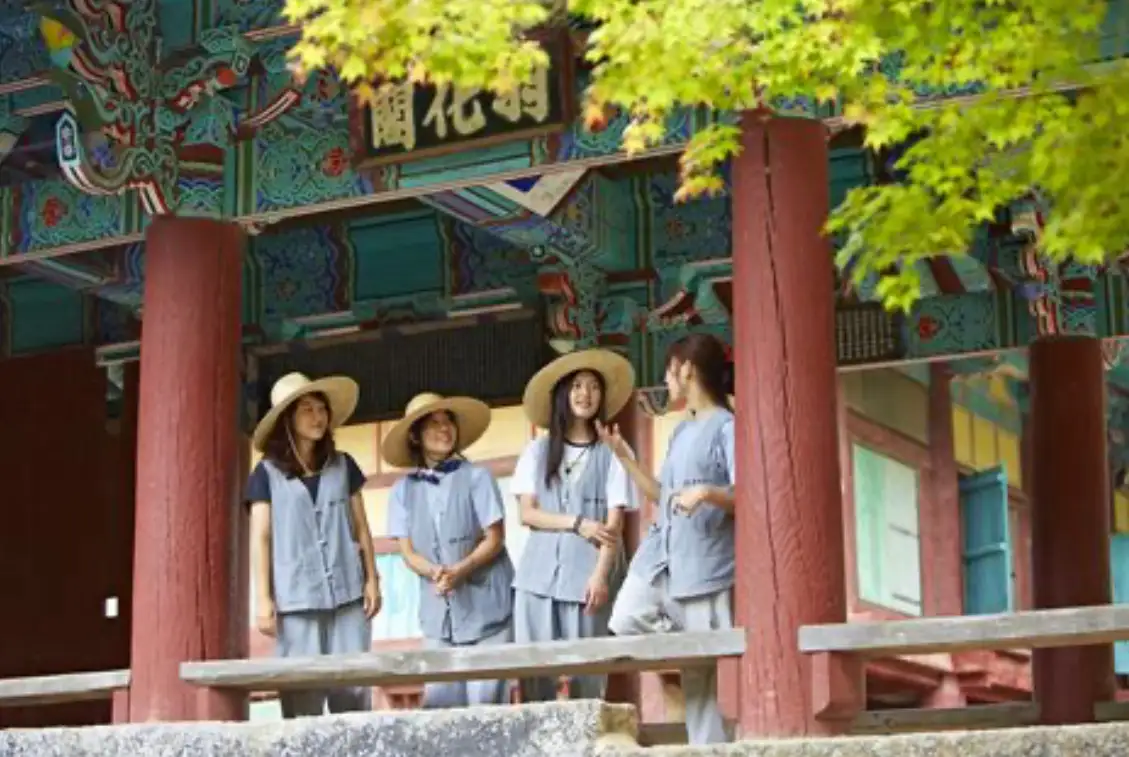
2 Sacred Sites: When visiting temples or other sacred sites, observe any posted rules. Dress conservatively, speak quietly, and behave respectfully.